
Performance & Scale
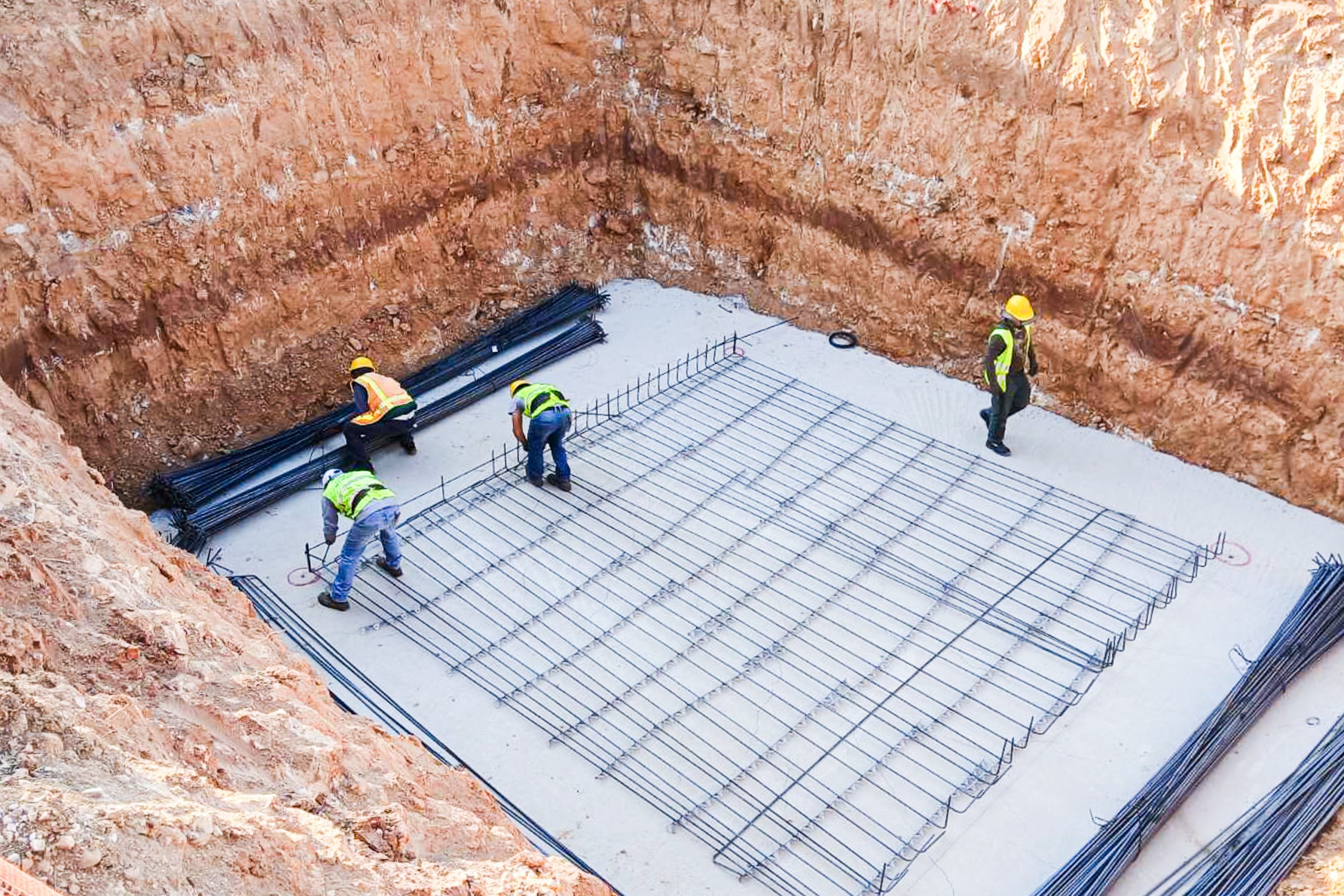
Growth Measured by Execution Capacity
OFC Technical closed 2025 at a materially different level of scale from the year before. Annual turnover reached €16.6 million, compared with €1.1 million in 2024, while EBITDA reached €3.2 million. At the same time, the company’s project portfolio exceeded €100 million and active backlog surpassed €70 million. These figures are significant not because they provide a larger set of numbers, but because they describe a larger operating system. Revenue growth in engineering and construction can only be sustained when an organisation is able to mobilise people, engineering resources, procurement, site operations, project controls and management capacity at the same time — while maintaining discipline across safety, quality, cost and programme. For OFC Technical, 2025 represents a step-change in operating scale. The reported +1,414% increase in turnover reflects the rapid expansion of project activity and the company’s transition from an emerging technical organisation into a contractor managing a substantially broader volume of work.
€16.6M
Turnover
€3.2M
EBITDA
€100M+
Project Portfolio
€70M+
Active Backlog
+1,414%
Turnover Growth
Reported 2025 figures.
Scale Is More Than Revenue
In engineering and construction, turnover alone is an incomplete measure of scale. A contractor’s real capacity is defined by the volume, complexity and duration of work it can control simultaneously — and by the systems required to convert contracted scope into safe, compliant and completed infrastructure. OFC Technical therefore views performance through a broader set of operating indicators: revenue demonstrates executed activity; EBITDA provides a view of operating performance; portfolio shows the scale of projects under engagement; backlog provides visibility over contracted work yet to be executed; and growth reflects the speed at which the organisation has expanded its delivery capacity.
Performance is not a single number.
It is the relationship between awarded work, execution capacity, operational control and the ability to convert complex scope into completed assets.
Turnover: From €1.1 Million to €16.6 Million
The movement in annual turnover from €1.1 million in 2024 to €16.6 million in 2025 represents a fundamental expansion in delivered project activity. It indicates a significantly larger volume of engineering and construction work moving through the organisation during the year. This level of growth creates its own operational requirements. It demands stronger project structures, more rigorous planning, greater coordination across engineering and procurement, expanded site-management capacity and tighter project controls. Growth of this magnitude is therefore not only a financial outcome; it is also an organisational test. The relevant measure is not whether an organisation can grow quickly once. It is whether the systems beneath that growth are capable of supporting larger and more demanding projects without weakening execution discipline.
2024€1.1M
2025€16.6M
Annual turnover, 2024–2025. Values shown as reported.
€3.2M
EBITDA · 2025
EBITDA: Operating Performance Behind Growth
With EBITDA of €3.2 million in 2025, OFC Technical combined the expansion of its activity with positive operating performance. For a growing contractor, this relationship matters: scale has value only when it is accompanied by the management discipline required to control resources, procurement, programme, site execution and delivery risk. EBITDA is presented here as an operating performance indicator rather than as an isolated financial headline. It provides context to the company’s ability to expand its project activity while maintaining an operating structure capable of supporting that growth.
Portfolio: More Than €100 Million of Project Value
OFC Technical’s project portfolio exceeds €100 million. The figure reflects the cumulative scale of projects in which the company is engaged and illustrates the level of technical and organisational responsibility now carried across its activities. A portfolio of this size requires more than construction resources. It requires coordinated engineering interfaces, procurement planning, contract administration, commercial control, scheduling, quality assurance, HSSE governance, commissioning preparation and disciplined reporting across multiple workstreams. The portfolio therefore serves as an indicator of scale, but also of complexity: the larger the project environment, the more important the management architecture behind delivery becomes.
Active Backlog: Visibility Into Future Execution
An active backlog of more than €70 million represents contracted work that remains to be executed. In construction, backlog is a particularly important measure because it connects current performance with future delivery obligations. It provides visibility into the workload already secured by the company, but it also defines responsibility. Every euro of backlog must ultimately be translated into engineering outputs, procurement actions, construction progress, testing, commissioning and completed contractual deliverables. For OFC Technical, backlog is therefore not treated simply as a pipeline indicator. It is a forward execution commitment.
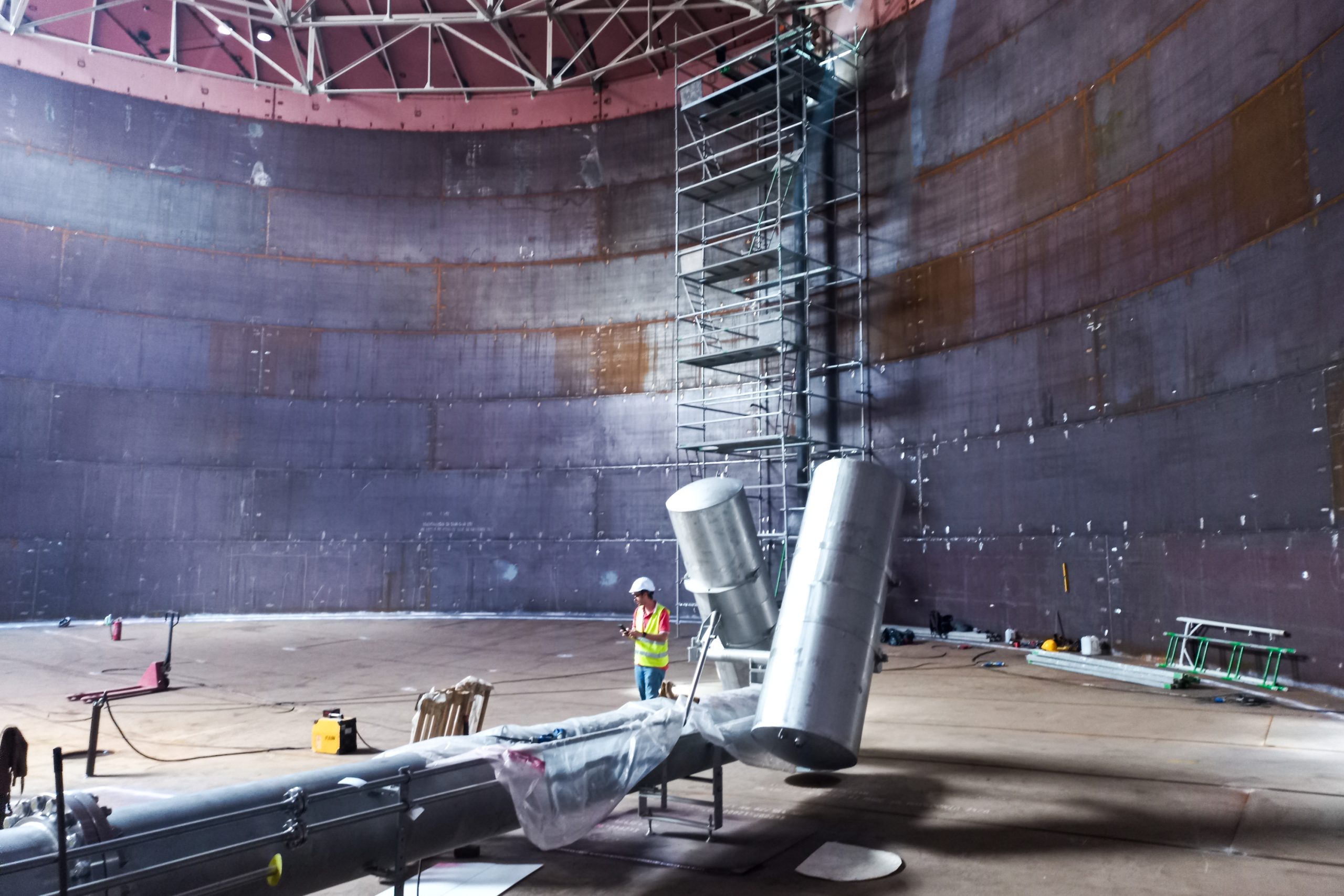
Growth Built on Organisational Capacity
The expansion recorded in 2025 has required the company to strengthen the structures that sit behind project execution. As the volume and complexity of work increase, the organisation must develop at the same pace. This includes the continuous reinforcement of engineering coordination, project management, procurement, project controls, construction supervision, quality systems and HSSE processes. The objective is clear: scale should increase the company’s capacity, not dilute its standards. OFC Technical’s growth model is therefore based on controlled expansion — building the people, systems and technical depth required to manage a larger portfolio while preserving accountability at project level.
From Growth to Repeatable Delivery
Exceptional growth rates naturally attract attention. For an engineering and construction company, however, the more important question is what comes after the growth. The next stage is repeatability: the ability to execute at a larger scale consistently, to convert backlog into completed work, to maintain control as project interfaces multiply and to preserve safety, quality and commercial discipline as the organisation develops. This is the transition OFC Technical is building towards: from rapid expansion to durable execution capacity.
What the Numbers Mean
- €16.6 million in turnover reflects a substantially larger level of executed activity.
- €3.2 million EBITDA provides operating context to that expansion.
- A project portfolio above €100 million demonstrates the scale of the company’s current project environment.
- More than €70 million of active backlog provides visibility over contracted future execution.
- Reported turnover growth of +1,414% illustrates the speed of the company’s change in operating scale.
Taken together, these indicators describe a company operating at a different level of capacity than one year earlier. They do not replace the fundamentals of project delivery; they increase the importance of those fundamentals.
Performance With Accountability
Scale creates opportunity, but it also increases responsibility. Larger projects, higher volumes and a broader backlog require clearer controls, stronger governance and greater organisational maturity. For OFC Technical, performance is ultimately measured where financial scale meets engineering reality: on site, in programme, in quality records, in safe execution and in the readiness of completed infrastructure to perform as intended.
Scale creates the opportunity. Execution earns the confidence.
OFC Technical measures growth not only by the value of work undertaken, but by the capacity to deliver that work with control, consistency and technical accountability.
Looking Ahead
The 2025 results establish a new reference point for OFC Technical. The company enters its next phase with a larger operating base, a substantial active backlog and a portfolio that reflects increasing participation in complex infrastructure and industrial projects. The priority is not growth without limit. It is growth supported by capability: strengthening the organisation in proportion to the projects it undertakes, increasing technical depth and preserving the discipline required to deliver consistently at scale.


